World Water Day 2026: Where Water Flows, Equality Grows

Every year on World Water Day, the global community comes together to recognise one of our most vital shared resources: water.

In 2026, the theme “Water and Gender: Where Water Flows, Equality Grows” highlights a powerful truth that access to safe water and sanitation is not just a development issue, but a human rights issue and a critical driver of gender equality.

For Project Waterfall, this message lies at the heart of everything we do.

Our vision is simple but urgent: a world where no one lives without access to safe water, especially in the communities that grow our coffee. Yet globally, 696 million (one in ten) people still do not have clean water close to home, and many live in the rural regions where coffee is grown.

Where safe water is scarce, inequalities grow. Women and girls are often the ones most affected when spending hours collecting water, facing barriers to education due to menstruation, and lacking access to dignified sanitation.

But when water flows, opportunity flows with it.

Water as a foundation for equality

Access to safe water and sanitation transforms lives.

For women and girls, it means:

  • More time for education and economic opportunity

  • Safer sanitation facilities that protect dignity and health

  • Improved menstrual health and hygiene

  • Stronger roles in community leadership and decision-making

That’s why water access is deeply connected to gender equality and why it remains a core focus for Project Waterfall and our delivery partners.

These initiatives not only deliver water infrastructure; they enable communities to build sustainable, inclusive systems where everyone benefits.

Partnering for lasting impact

None of this work happens alone. Our progress depends on strong partnerships with organisations working on the ground to deliver life-changing water solutions.

Supporting schools and communities with Splash

Through our partnership with Splash, we support safe water, sanitation and hygiene services in schools. These programmes ensure children have access to clean drinking water, handwashing facilities, and safe sanitation, creating environments where students, especially girls, can learn and thrive.

In communities supported through these programmes:

  • Hundreds of schools now have reliable water systems

  • Hundreds of thousands of children can wash their hands with clean water

  • Students receive hygiene and menstrual health education

Access to water in schools has a powerful ripple effect. When girls have safe sanitation and menstrual health support, school attendance increases and barriers to education decrease.

Community-wide water access with WaterAid

Our long-standing partnership with WaterAid focuses on large-scale projects that deliver sustainable water access across entire communities.

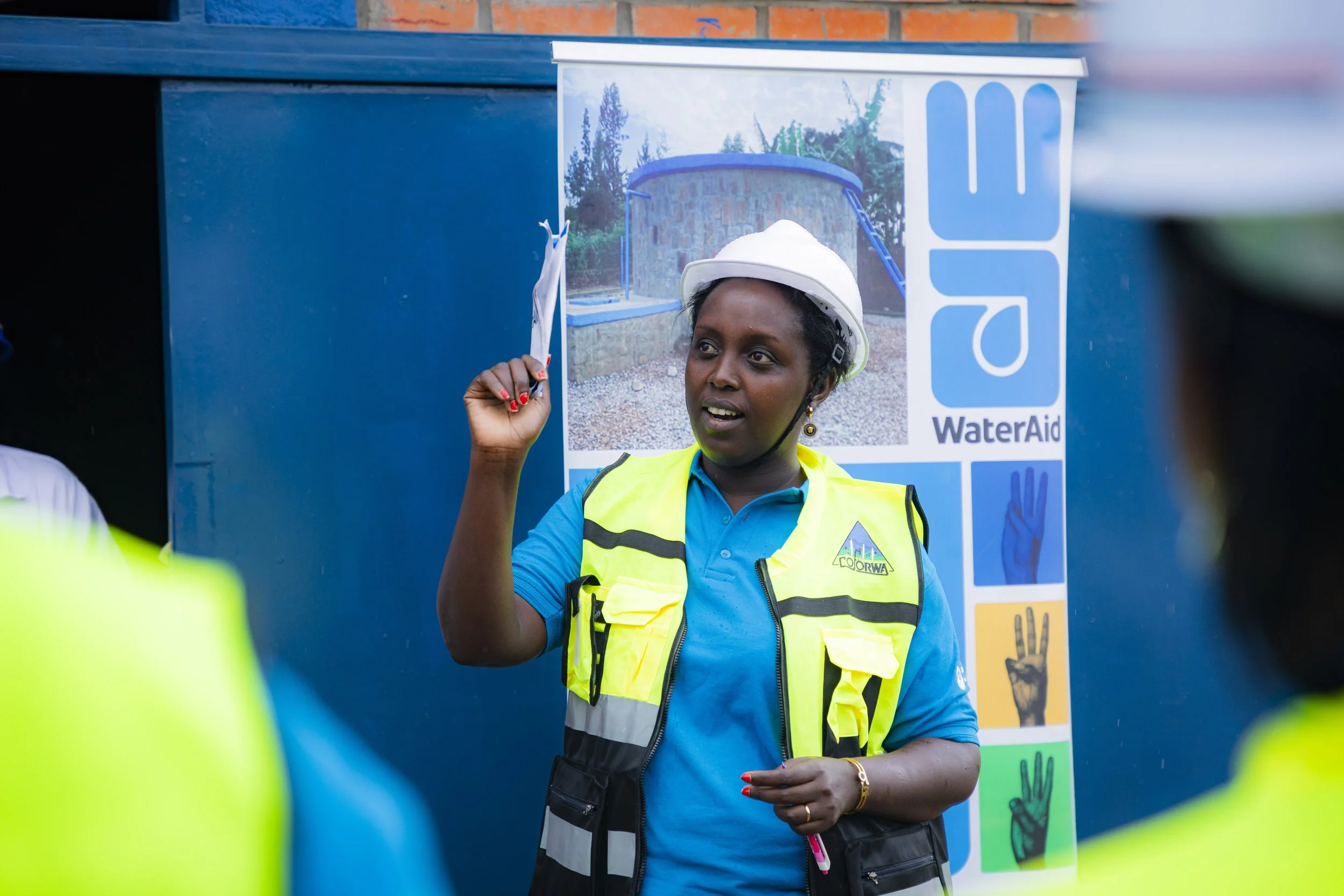
Through projects such as Flowing Futures in Rwanda, communities are gaining reliable water systems alongside sanitation and hygiene education. These initiatives are designed to reach tens of thousands of people while empowering local communities to manage and maintain water infrastructure long-term.

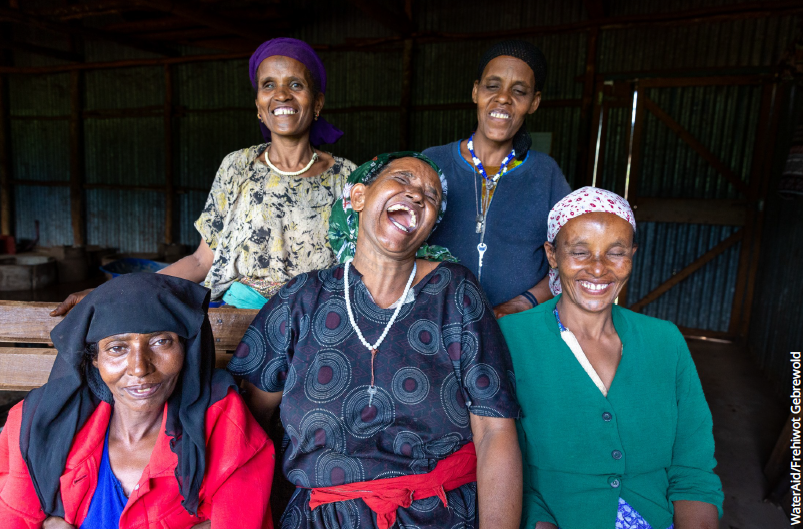
Crucially, women are central to these efforts. Community-led water committees often include strong representation from women’s groups, ensuring that those most affected by water challenges are also leading the solutions.

In Rwanda, for example, members of local women’s councils have participated in hygiene training programmes driving community-wide behavioural change and ensuring the long-term sustainability of water systems.

Innovation for sustainable water in coffee communities

This year, Project Waterfall is also supporting pioneering research into sustainable water use in coffee production.

Our “Wastewater to Safe Water” project in Oromia, Ethiopia explores how wastewater produced during coffee processing can be treated and transformed into safe drinking water.

Working with partners including the Millennium Water Alliance and the Oromia Coffee Farmers’ Cooperative Union, the initiative aims to:

  • Improve access to safe water in coffee-growing communities

  • Reduce water waste in coffee processing

  • Protect local ecosystems and water sources

  • Develop solutions that can be replicated across the coffee industry

By integrating water innovation directly into coffee production systems, projects like this ensure the sustainability of both communities and the coffee sector itself.

Where water flows, equality grows

On World Water Day 2026, we are reminded that solving the global water crisis requires solutions that are inclusive, equitable and community-led.

When women and girls have access to safe water and sanitation:

  • Education improves

  • Health outcomes rise

  • Economic opportunities expand

  • Communities become more resilient

Water is more than a resource, it is the foundation for dignity, opportunity and equality.

And together, with partners, supporters and the coffee community, Project Waterfall will continue working to ensure that where water flows, equality grows.

If you’re interested in making an impact, email us at hello@projectwaterfall.org.

AQUAPHOR Professional x Project Waterfall

Clean Water for Communities. Better Water for Coffee.

AQUAPHOR Professional is proud to partner with Project Waterfall as their official Water Sponsor, supporting their mission to bring clean drinking water, sanitation, and hygiene to coffee‑growing communities around the world.

For us, this partnership represents more than shared values, it represents the full circle of water’s importance in coffee. From the communities growing the beans, to the cafés brewing the final cup, water truly connects every stage of the journey.


Why Filtered Water Matters, From Bean to Brew

Water influences every step of the coffee process. Clean, accessible water allows coffee‑growing communities to thrive, but it is just as essential at the final stage, when the coffee reaches the roastery, café, or hospitality venue.

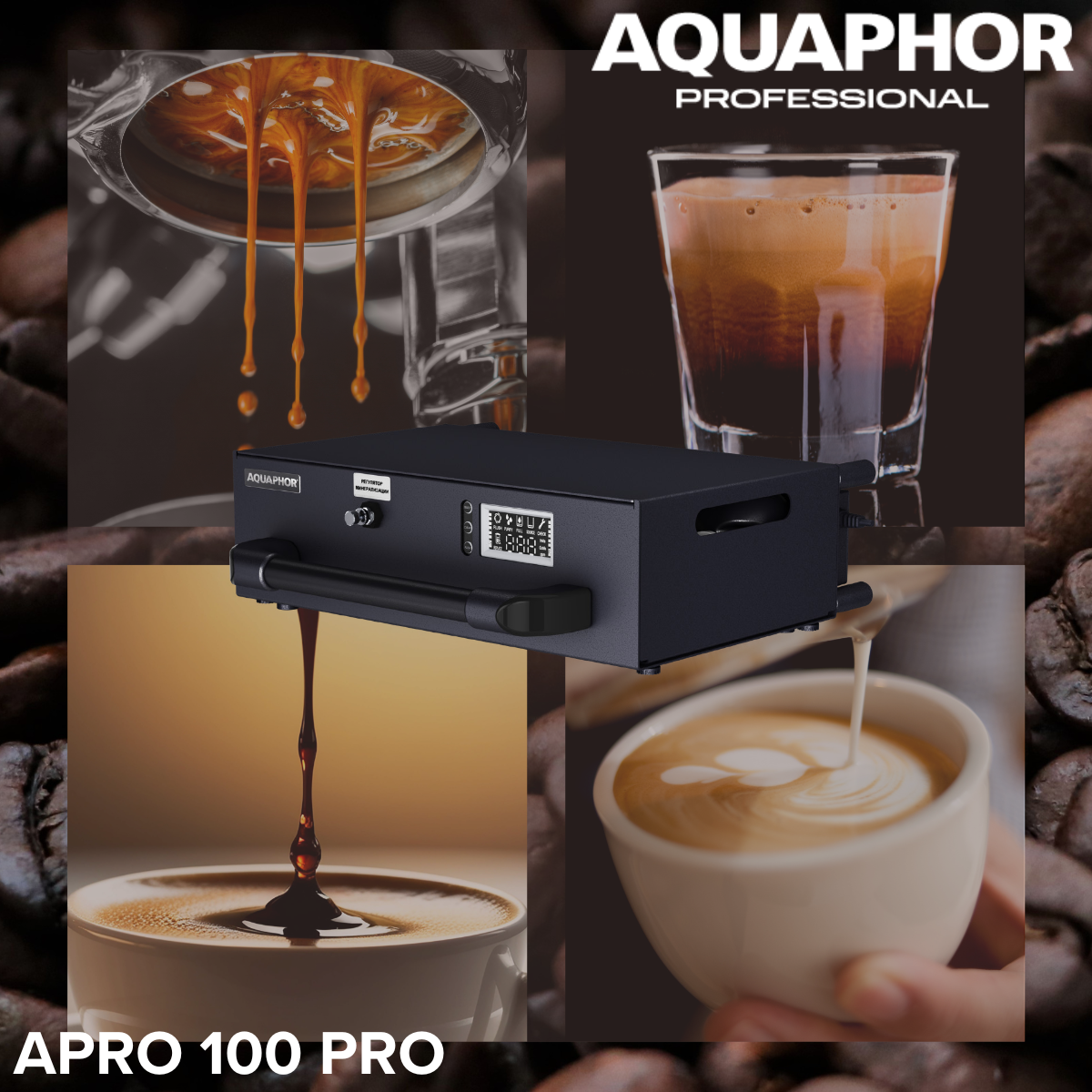
At AQUAPHOR Professional, we specialise in reverse osmosis (RO) and advanced water filtration tailored for the coffee industry. Properly filtered water doesn’t just elevate taste, it transforms the economics, sustainability, and reliability of a coffee business.

1. Elevating Flavour & Consistency

Filtered and mineral‑balanced water unlocks the true character of coffee:

  • clearer flavour

  • improved sweetness

  • enhanced aroma

  • consistent results across multiple sites

This ensures customers taste the coffee as the roaster intended, every single time.

2. Reducing Machine Breakdowns & Operating Costs

Poor water quality leads to:

  • limescale build-up

  • corrosion

  • blocked internal components

  • expensive repairs and downtime

Our RO applications protect equipment, drastically reducing breakdowns and extending the lifespan of espresso machines, boilers.

This means fewer callouts, fewer replacements, and lower operating costs.

3. Supporting Greener, More Sustainable Operations

Clean, stable, mineral‑controlled water helps businesses:

  • reduce energy usage

  • extend equipment life (less waste)

  • minimise chemical descaling

  • avoid unnecessary machine replacements

The result is a more sustainable and environmentally conscious approach to serving coffee.

Helping businesses save money while reducing their carbon footprint is a central part of our mission, and it aligns perfectly with Project Waterfall’s global impact.


Showcasing Innovation with Project Waterfall

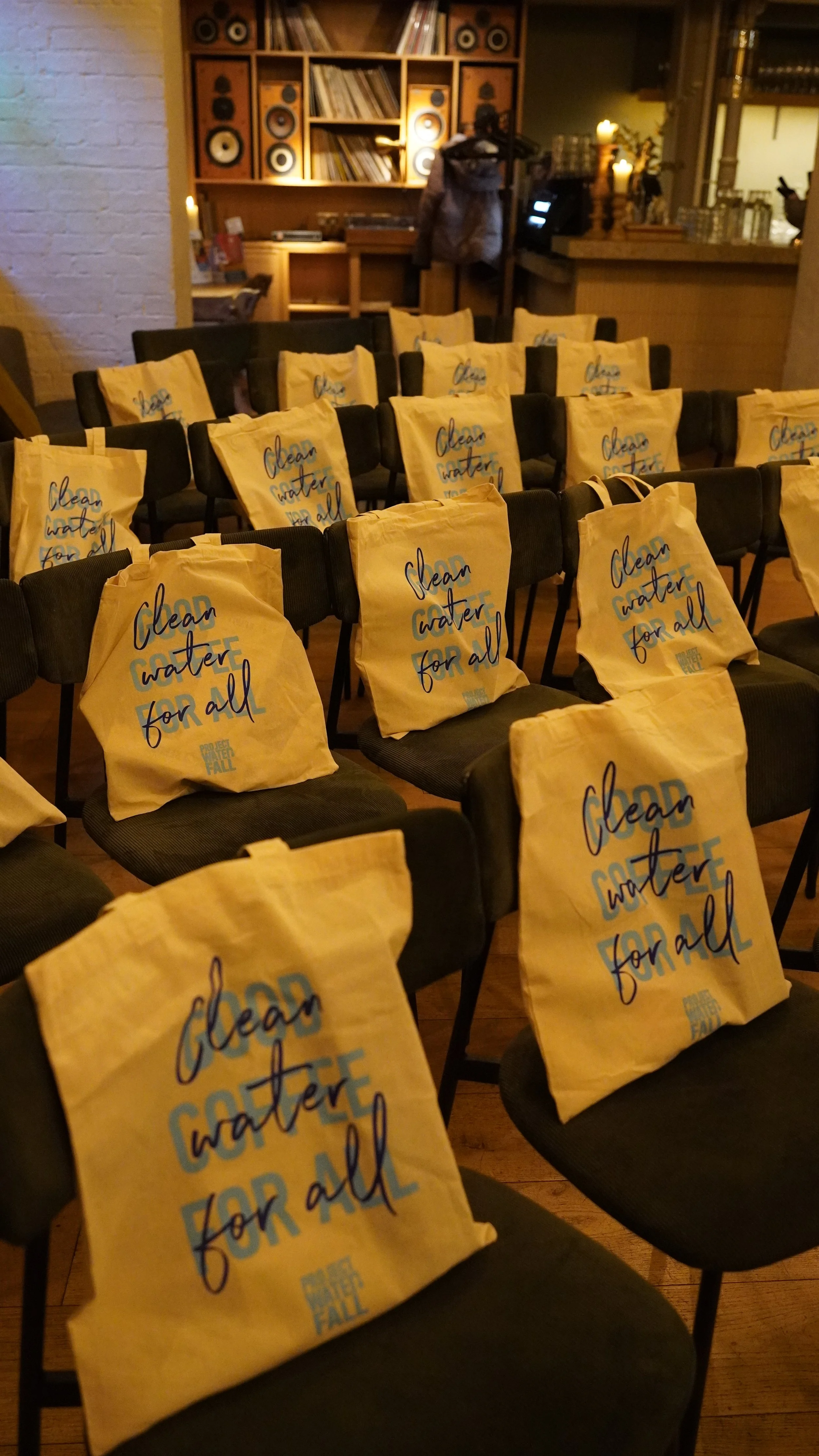
We are excited to be joining Project Waterfall at their upcoming event at Caravan in Covent Garden, on 19th March.
We will be showcasing a selection of our advanced water filtration applications used by coffee businesses worldwide, systems that help them create a truly exceptional cup of coffee while protecting their equipment and reducing costs.


See Us at the HRC Show – Excel London

We will also be exhibiting at the HRC Show at Excel London, from 30th March to 1st April, on Stand S743.

Visitors will be able to explore a full range of AQUAPHOR Professional water filtration solutions, ask technical questions, and learn how our RO and specialist systems are helping the hospitality and coffee industry improve quality, save money, and operate more sustainably.


We’re also excited to share that AQUAPHOR Professional will be attending Café Culture on 29th–30th September at the Business Design Centre in London.
Throughout the event, we’ll be showcasing our range of advanced water filtration and reverse osmosis solutions designed specifically for the HoReCa industry.

Visitors will be able to explore how our applications help cafés, restaurants, and hospitality operators:

  • enhance coffee flavour and consistency,

  • protect equipment from scale and corrosion,

  • reduce breakdowns and service costs,

  • and operate more sustainably with smarter water management.

We look forward to connecting with industry professionals and demonstrating how high‑quality water can transform both taste and efficiency in hospitality environments.


A Partnership with Purpose

Coffee begins with people, the people who grow it, process it, ship it, roast it, and brew it.
Water touches every step of that journey.

By supporting Project Waterfall, we are helping bring clean water to the communities who grow the coffee we all enjoy. And by supporting the coffee industry with sustainable, high‑performance filtration, we help businesses serve better coffee with lower environmental impact.

Together, AQUAPHOR Professional and Project Waterfall are committed to protecting communities, improving coffee quality, and shaping a more sustainable future, one cup at a time.


Jessica Pine – Sales & Marketing AQUAPHOR Professional UK

Give to Gain; A collective Commitment

On March 8, 2026, International Women’s Day calls on all of us to reflect on the power of Give to Gain, UN Water’s annual theme designation. This theme reminds us that when we invest in women and girls, entire communities prosper. Progress for women is not a zero-sum game; it is a multiplier.

At Project Waterfall, we see this every day through one of the most powerful drivers of gender equality: access to clean water, sanitation and hygiene (WASH).

Why Water Is Central to “Give to Gain”

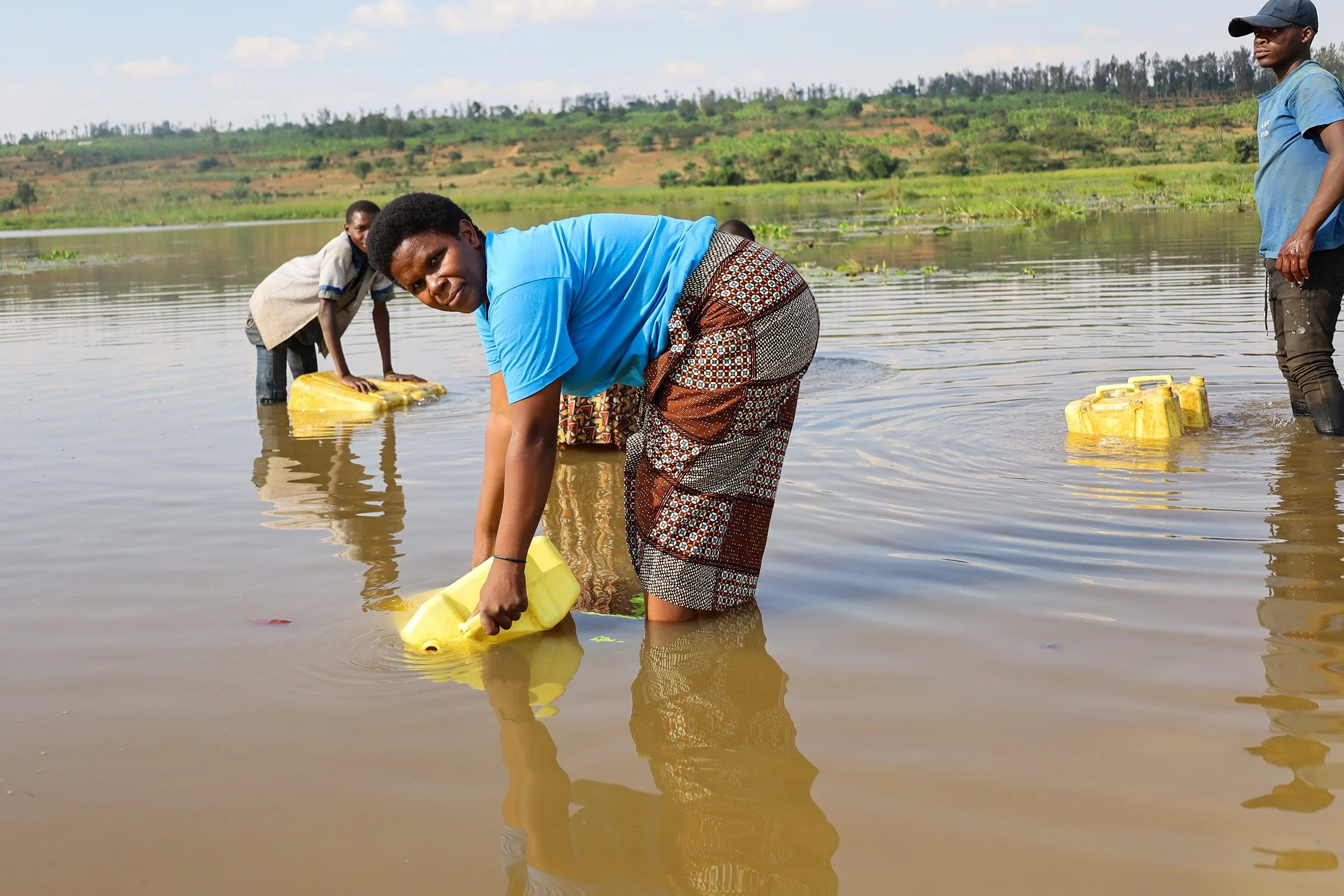
Across the world, women and girls disproportionately bear the responsibility of collecting water for their communities. In rural coffee-farming regions, this task can take hours each day, which limits their capacity for school, work and leadership.

Without safe sanitation facilities, many girls miss school during menstruation, widening the education gap and reducing long-term opportunity.

When women lack access to clean water, inequality deepens.
When women gain access to clean water, opportunity expands.

That is the essence of Give to Gain.

Investing in water infrastructure and hygiene education gives women back time, dignity and agency. Communities gain healthier families, stronger economies and more sustainable futures.

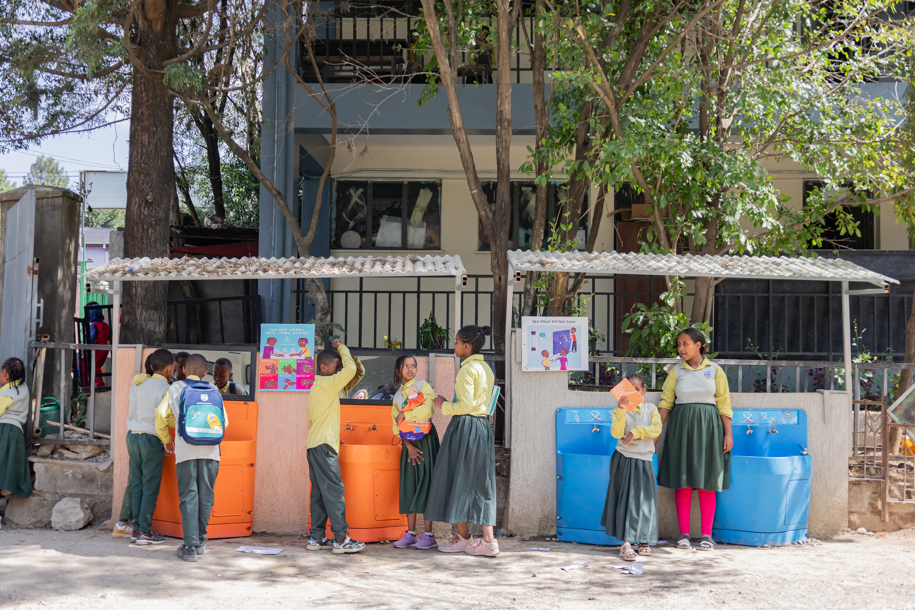
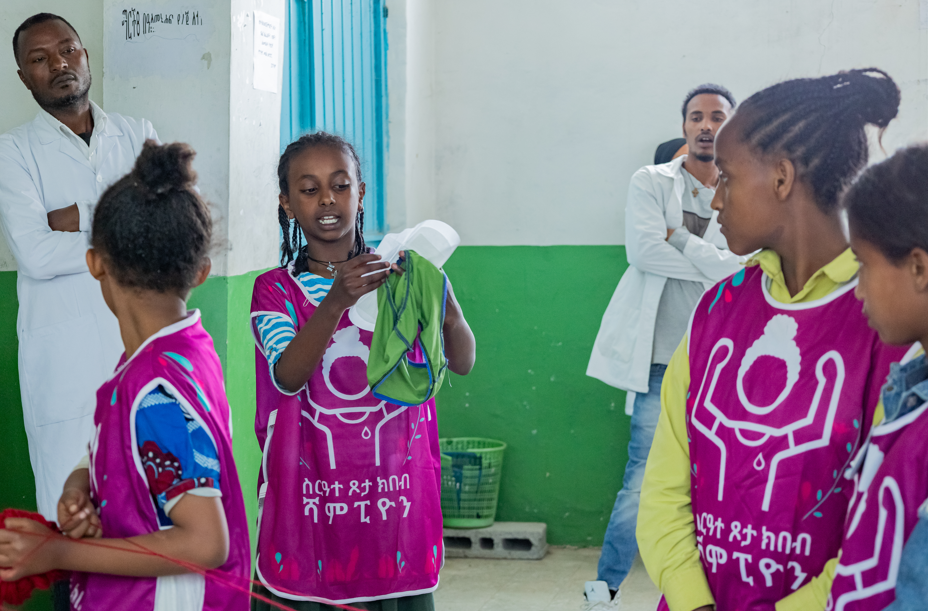
School girls utilising new water infrastructure. Courtesy of SPLASH.

Transforming Lives in Rwanda

In Rwanda, the Accelerating Access project delivered alongside WaterAid is bringing clean water directly into remote communities.

This project has:

  • Provided clean water to 35,000 people through 23 public taps

  • Reached 187,000+ people with hygiene and sanitation education

These public taps do more than deliver water. They reduce hours spent collecting it, improve health outcomes and open doors for women to pursue income-generating opportunities.

Through WASH committees and community training including women’s leadership participation, we help ensure solutions are sustainable and locally owned.

Supporting Girls’ Education in Ethiopia

With the help of SPLASH in Ethiopia, we continue to expand hygiene campaigns in schools and health centres, strengthen governance systems, and improve menstrual health education.

By integrating menstrual hygiene programmes into schools and improving access to safe water and private sanitation facilities, more girls can stay in education, reducing dropout rates and challenging stigma around menstruation.

When girls stay in school, communities gain future leaders.

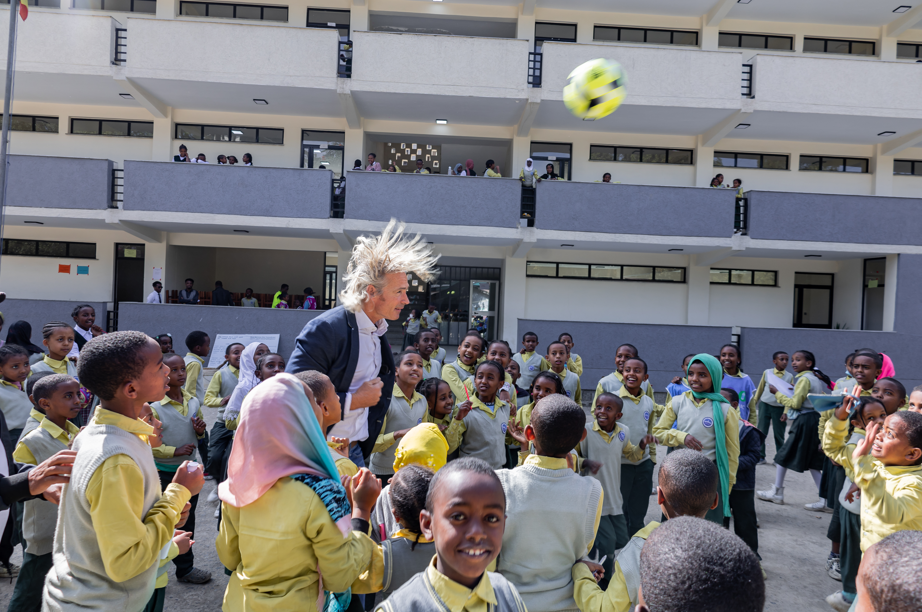
Community leader located at an Ethiopian project school. Courtesy of SPLASH.

The Multiplier Effect of Clean Water

Clean water is not just about health. It is a foundation for economic empowerment.

When women no longer spend hours collecting water, they can:

  • Start businesses

  • Increase household income

  • Participate in leadership roles

  • Support sustainable coffee production

Communities gain stronger local economies. Children gain better health and education. Entire regions gain resilience.

When we give women access to water, everyone benefits.

Join Us This March 8

International Women’s Day 2026 reminds us that accelerating equality requires action.

By supporting Project Waterfall, you are investing in clean water solutions that directly empower women and girls in coffee-growing communities.

Together, we can turn access to clean water into lasting change.

Turn “Give to Gain” into lasting change.
This International Women’s Day, partner with Project Waterfall to help bring clean water, dignity and opportunity to women and girls in coffee-growing communities.

If your coffee business would like to support clean water projects, we’d love to hear from you. Get in touch with us at hello@projectwaterfall.org to start the conversation.

AQUAPHOR Professional, proud supporters of Project Waterfall and the 'Water in Coffee' panel

By Jessica Pine (UK Sales & Marketing AQUAPHOR Professional)

At AQUAPHOR Professional, water is at the heart of everything we do. Every day, we help cafés, roasteries, restaurants, and hospitality businesses unlock the true potential of their equipment and beverages through intelligent, efficient water filtration. But beyond the technical side of water, there is a deeper story one that connects communities, sustainability, and the global coffee industry.

That is why we are incredibly proud to support Project Waterfall and their upcoming panel discussion on water in coffee.

The Most Overlooked Ingredient in Coffee

Water makes up more than 98% of every cup of coffee, yet it is often the least understood and the least appreciated part of the equation. For baristas and roasters, it shapes flavour, consistency, and extraction. For business owners, it protects equipment and ensures long-term efficiency. And for consumers, it determines the quality of every sip.

At AQUAPHOR Professional, we believe that good water shouldn’t be a luxury, it should be a foundation. Supporting this panel helps shine a light on the science, sustainability, and craft behind great water and great coffee.

Why We’re Supporting the Conversation

Project Waterfall’s mission goes far beyond the cup. They bring clean water, sanitation, and hygiene to coffee-growing communities, many of whom ironically lack reliable access to the very resource that fuels the global coffee industry.

For us, contributing to this discussion isn’t just about filtration technology. It’s about:

· Championing water education across the coffee sector

· Supporting responsible supply chains

· Highlighting global water inequalities

· Standing with a charity making a tangible difference

Every step the industry takes toward better water, in sustainability, quality, and global stewardship, is a step toward a more equitable coffee future. And we’re excited to be part of that journey.

AQUAPHOR Professional exhibition at Food & Drink Hospitality Week.

From wastewater to safe water: a new chapter for Ethiopian communities

Every cup of coffee has a story, from the beans grown on family farms to the moments we share over a morning brew. But in Ethiopia, the birthplace of coffee, that story also comes with a hidden challenge: water. 

Coffee production, especially the traditional “washing” process that gives Ethiopian coffee its world-famous flavour, generates huge amounts of wastewater. For communities who rely on nearby rivers and streams for drinking, cooking, and hygiene, this wastewater creates real problems; it pollutes water sources, threatens health, and puts pressure on fragile ecosystems. 

Our new and innovative Oromia Coffee Project is looking to change that story by turning coffee wastewater into something life-changing: safe, clean drinking water. 

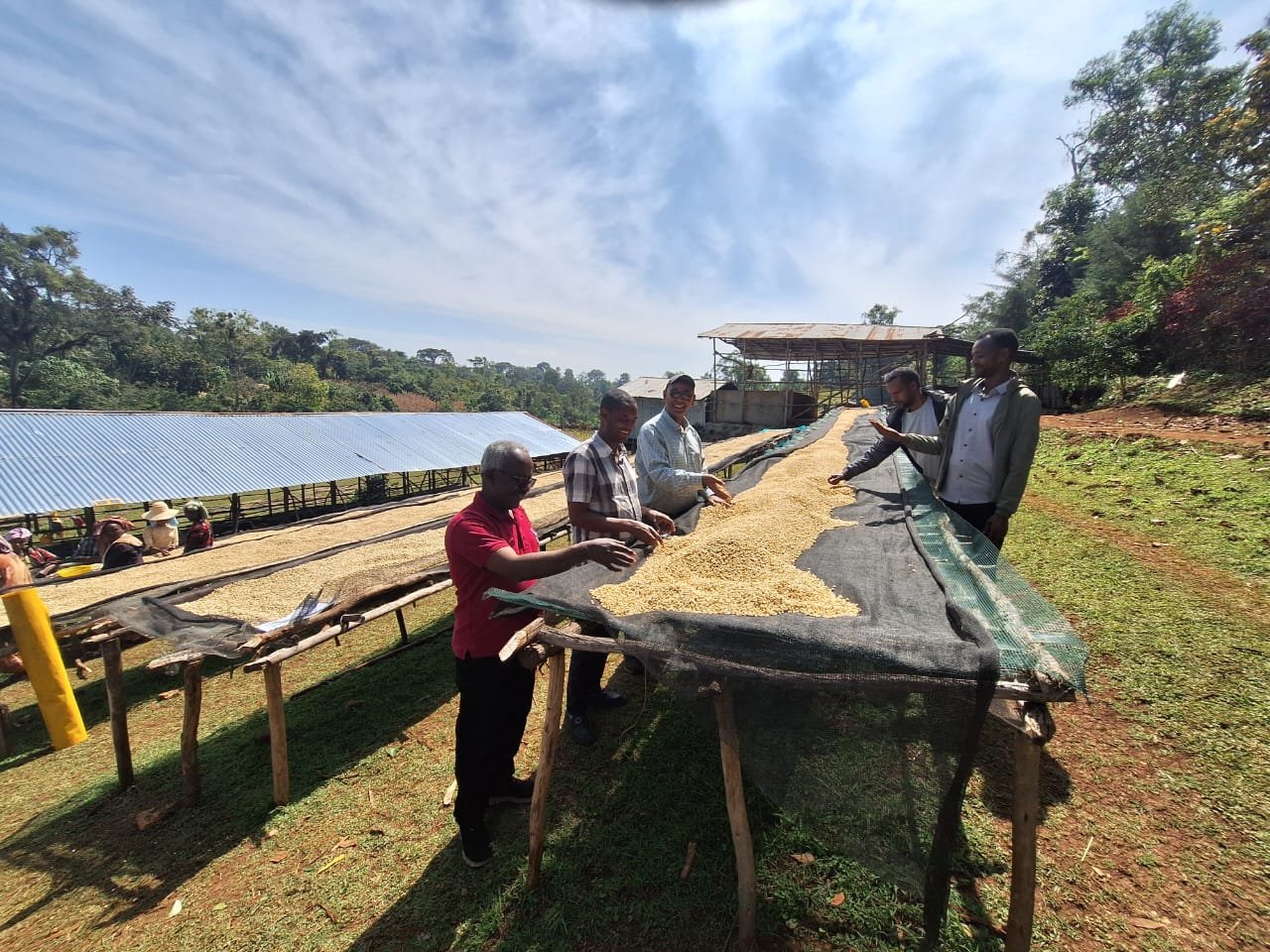
Coffee farmers sorting through coffee cherries. Courtesy of Millennium Water Alliance.

Making a difference in Ethiopia 

Launched in September 2025, this project brings together powerful actors: Oromia Coffee Farmers’ Cooperative Union (OCFCU), participating cooperatives, Millennium Water Alliance (MWA), Trabocca, Taylors of Harrogate, Marks & Spencer and Project Waterfall.

Funding is provided through Marks & Spencer’s A Cup of Ambition programme, with additional investment from Trabocca and Taylors of Harrogate. The initiative has begun with a year-long feasibility study in two coffee cooperatives in the Oromia Union and Limu region of Ethiopia: Afata Wanja and Ilke Tunjo. Each cooperative utilises two washing stations, which serve hundreds of surrounding farmers.

Aspects of the study include: 

  • Test water samples before and during the coffee processing stage for comparison of water content.

  • Assess schools and community water resources through survey to see where safe water could have the biggest impact. 

  • Explore education opportunities in sanitation and hygiene, giving children and families healthier futures. 

The goal is to design a solution that is not only safe and sustainable, but also cost-effective and scalable. By building practical models that work on the ground, the Oromia Coffee Project seeks to contribute to sustainable water stewardship for coffee communities across Ethiopia.

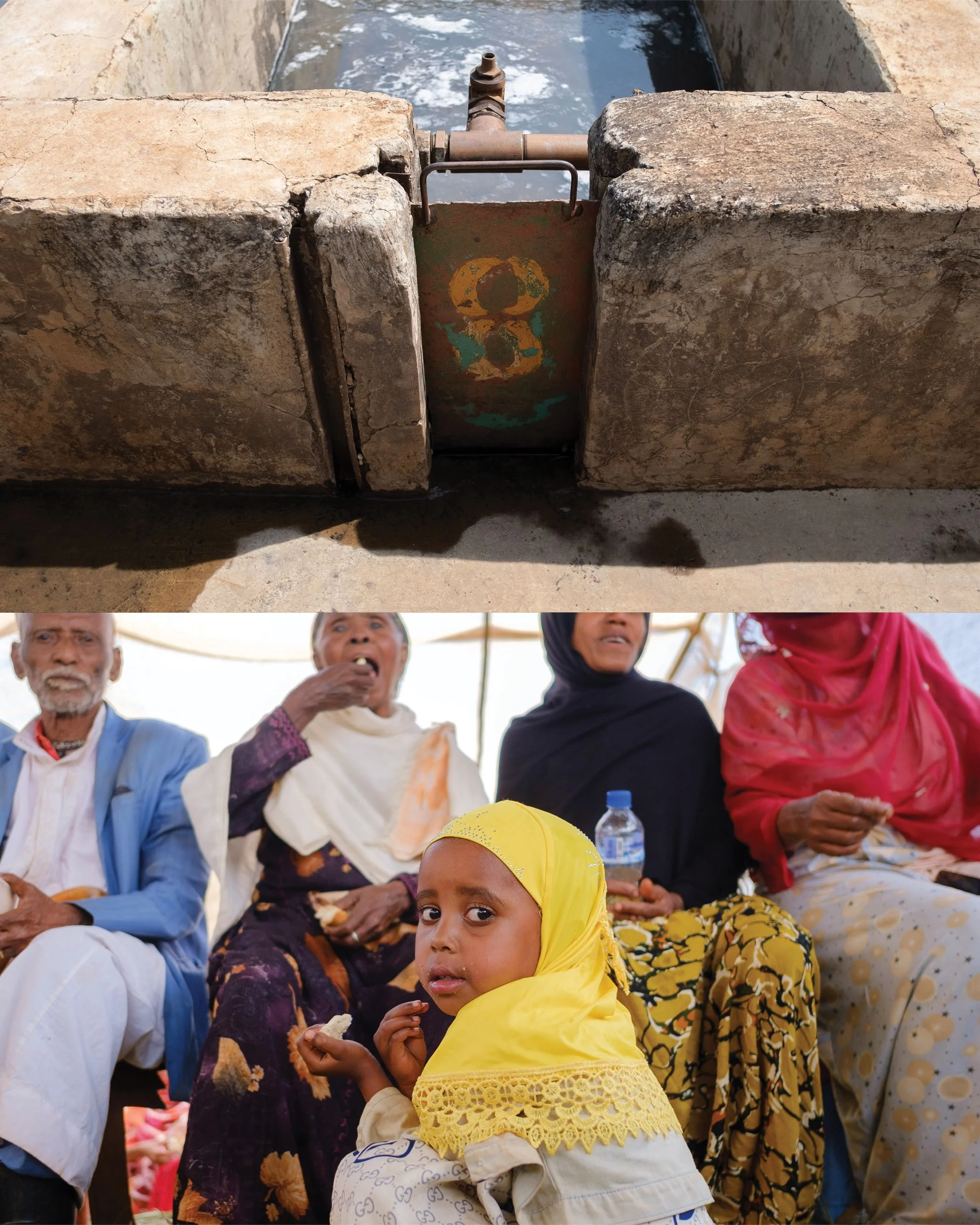
Top: Coffee Processing site branded with Trabocca logo;

Bottom: Young girl and community members taking a break in the shade. Courtesy of Trabocca. Courtesy of Trabocca

Trabocca’s visit to Afata Wanja Cooperative December 2025

As part of the assessment phase, Trabocca visited the Afata Wanja cooperative in western Ethiopia during field trips in December 2025.

The Trabocca team observed: “From the moment of arrival, the sense of community was clear. Prayers, fresh bread, local honey, and buna were shared together. The hospitality was warm and sincere. It reflected the pride, openness, and commitment of the people behind the cooperative. Spending time together made the project tangible. However, the visit left a bittersweet impression. The warmth and commitment of the community reflected a reality standing in contrast to the technical challenges and the availability of clean drinking water.”

Why it matters 

This project is about more than water. It’s about people, livelihoods, and the future of coffee itself. 

  • For the environment: cleaner rivers and protected ecosystems. 

  • For farming families: reliable access to safe drinking water at home and in schools. 

  • For children: better health and stronger opportunities for education. 

  • For coffee: a sustainable system that ensures the industry thrives up and down the supply chain. 
As Roxy Rocks-Engelman, Director of Project Waterfall, explains: 

"Our goal is to tackle the critical issue of safe drinking water scarcity in a way that directly benefits the communities that are the lifeblood of the coffee industry. This project represents an exciting opportunity to integrate WASH directly into coffee production that can potentially benefit thousands of coffee growing communities whilst addressing the environmental challenges that water scarcity poses.”  

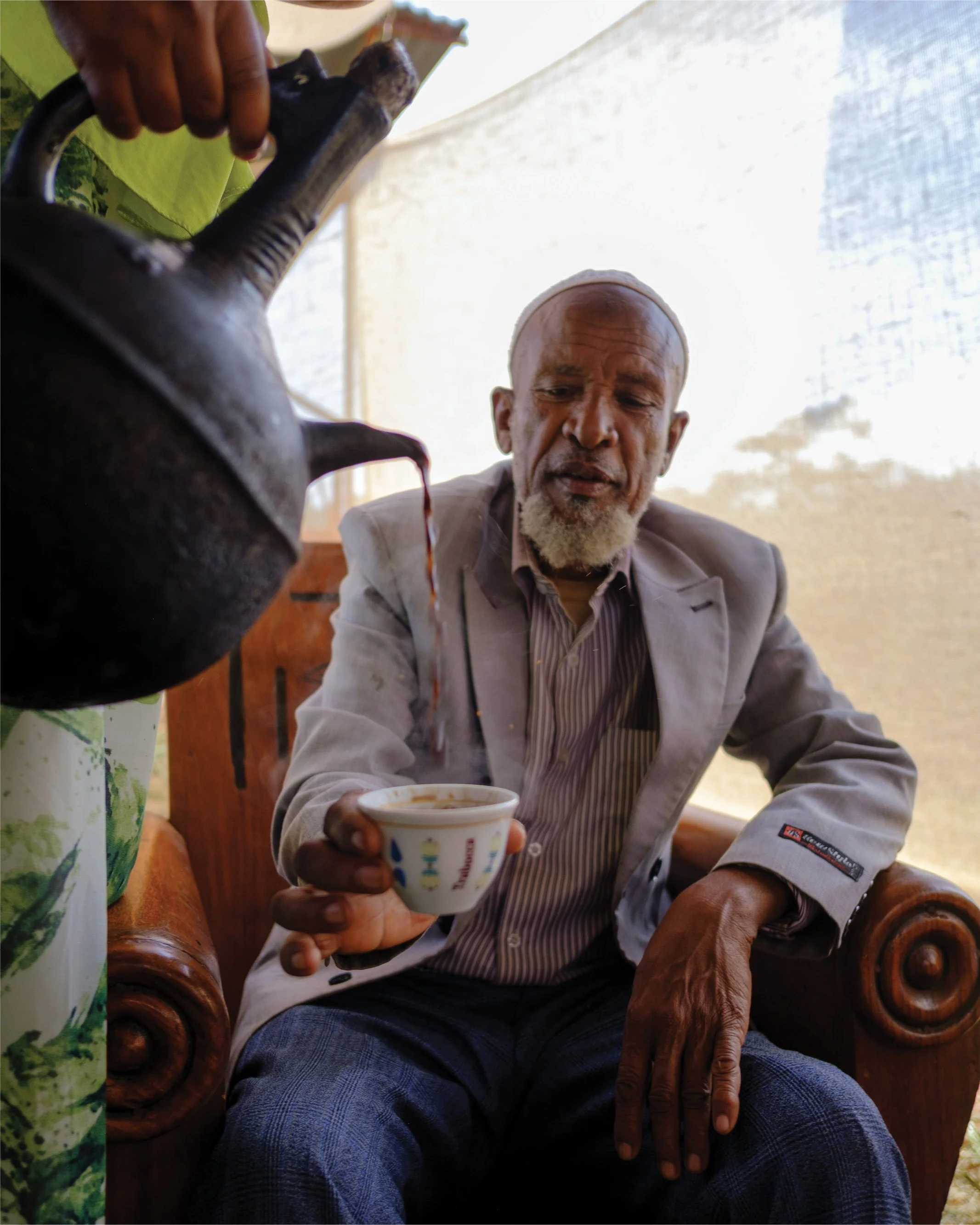
Man holds out his cup for a refill. Courtesy of Trabocca.

And Tamene Chaka, Country Director for the Millennium Water Alliance in Ethiopia, highlights the wider potential: 

“This project is a powerful step in transforming a by-product of wet coffee processing into a sustainable solution, empowering communities and strengthening their livelihoods.” 

Education is a two-way street

Complementary to physical resources, proper information is a crucial element to public health.

While coffee processing only occurs in certain seasons, access to safe drinking water and adequate sanitation are required year-round. Conducting community surveys during the assessment stage enables researches to accurately evaluate community needs and acceptance of proposed solutions. Ensuring systems are understood, supported, and locally manageable is critical for long-term success.

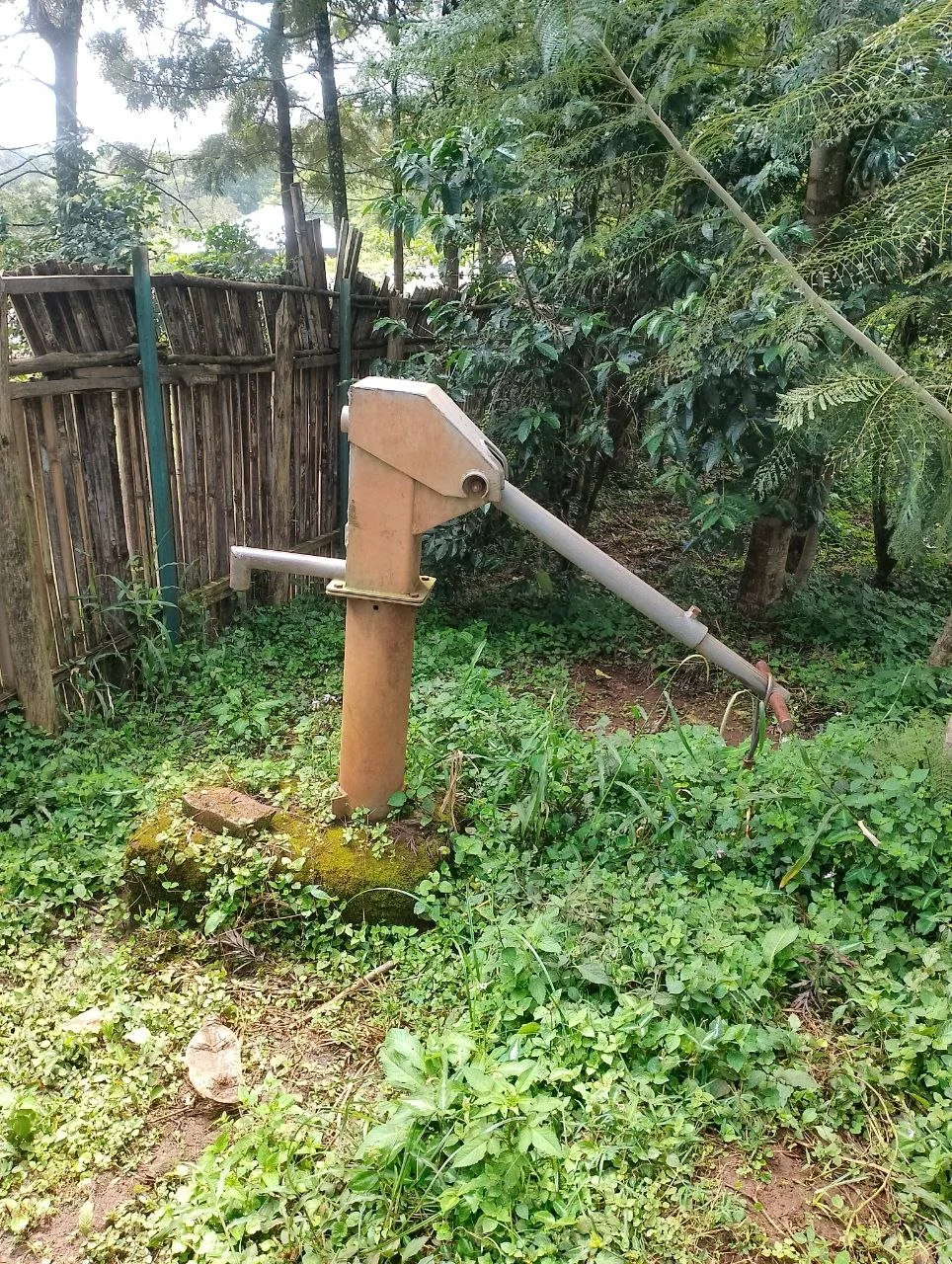
Water pump at Afata School. Courtesy of Millennium Water Alliance.

Looking ahead 

This feasibility study is just the beginning. If successful, the findings could shape a blueprint for change, a model that other cooperatives across Ethiopia (and even other coffee-growing countries) can adopt. 

The project findings have already revealed key challenges like inefficient infrastructure and remote conditions, along with several scenarios for improved post-harvest wastewater treatment.

As the team moves from the assessment of critical development areas to implementation, they will transform potential solutions into tangible resources for Ethiopian communities.

From the Source

For the Oromia Coffee Farmers’ Cooperative Union, which represents over 400 cooperatives, the opportunity is huge. As Dejene Dadi, General Manager of OCFCU in Ethiopia put it: 

“Coffee is our backbone, and this initiative offers a path to protect our water sources and the health of our communities, while ensuring the long-term sustainability of our industry.” 

Stay tuned as we follow this journey, we’ll continue to share our updates, from Ethiopia to your morning cup. 

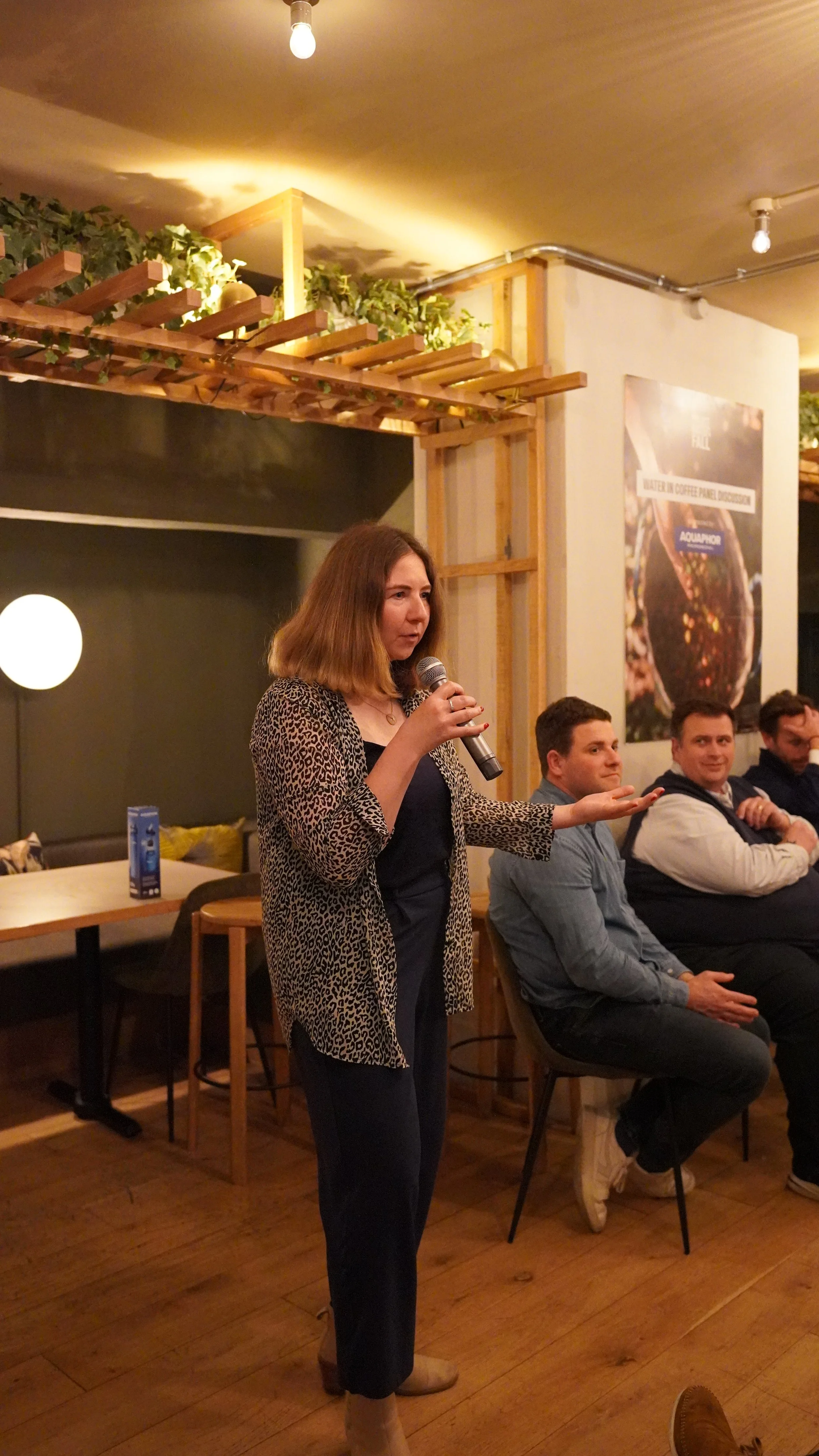
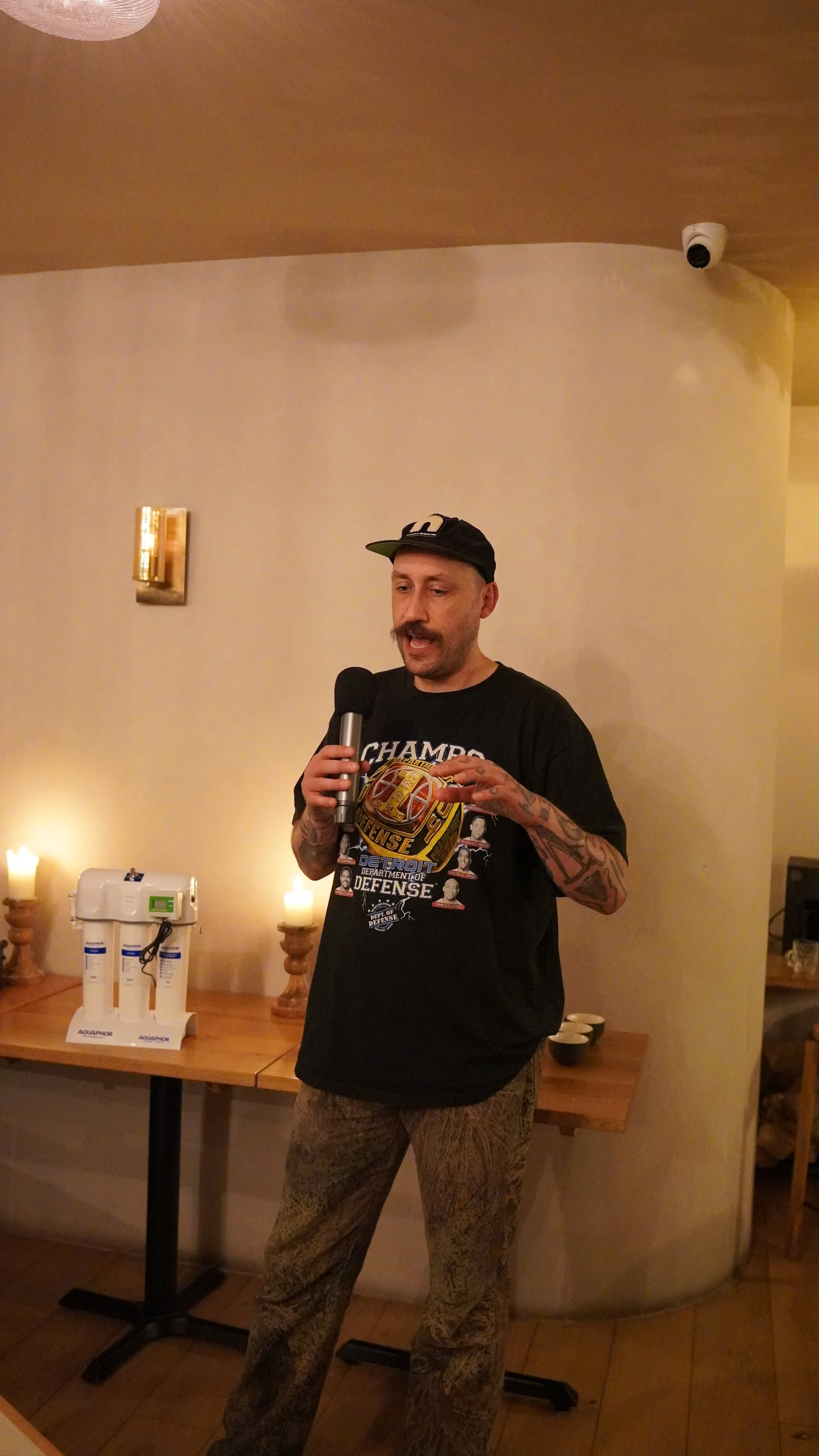
Water in Coffee Panel Discussion

Water plays a vital role at every stage of the coffee supply chain, yet it’s often overlooked in conversations about quality and sustainability.

Our ‘Water in Coffee’ Discussion Panels have seen success in uniting voices from the coffee industry who are passionate about sustainability and innovation. With a group of individuals from diverse backgrounds and perspectives, these conversations offer a refreshing space to explore the importance of water in coffee.

As announced in our 2025 Impact Report, Project Waterfall aims to engage the coffee industry as a vehicle for positive change, to transform lives in coffee-growing regions. With this goal, we are entertaining conversations with coffee professionals about our responsibility towards sustainably interacting with resources at origin. 
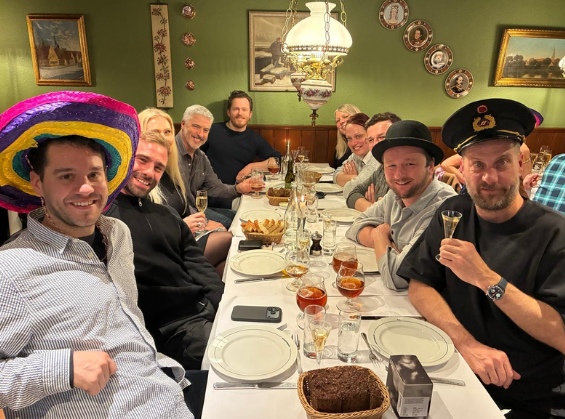
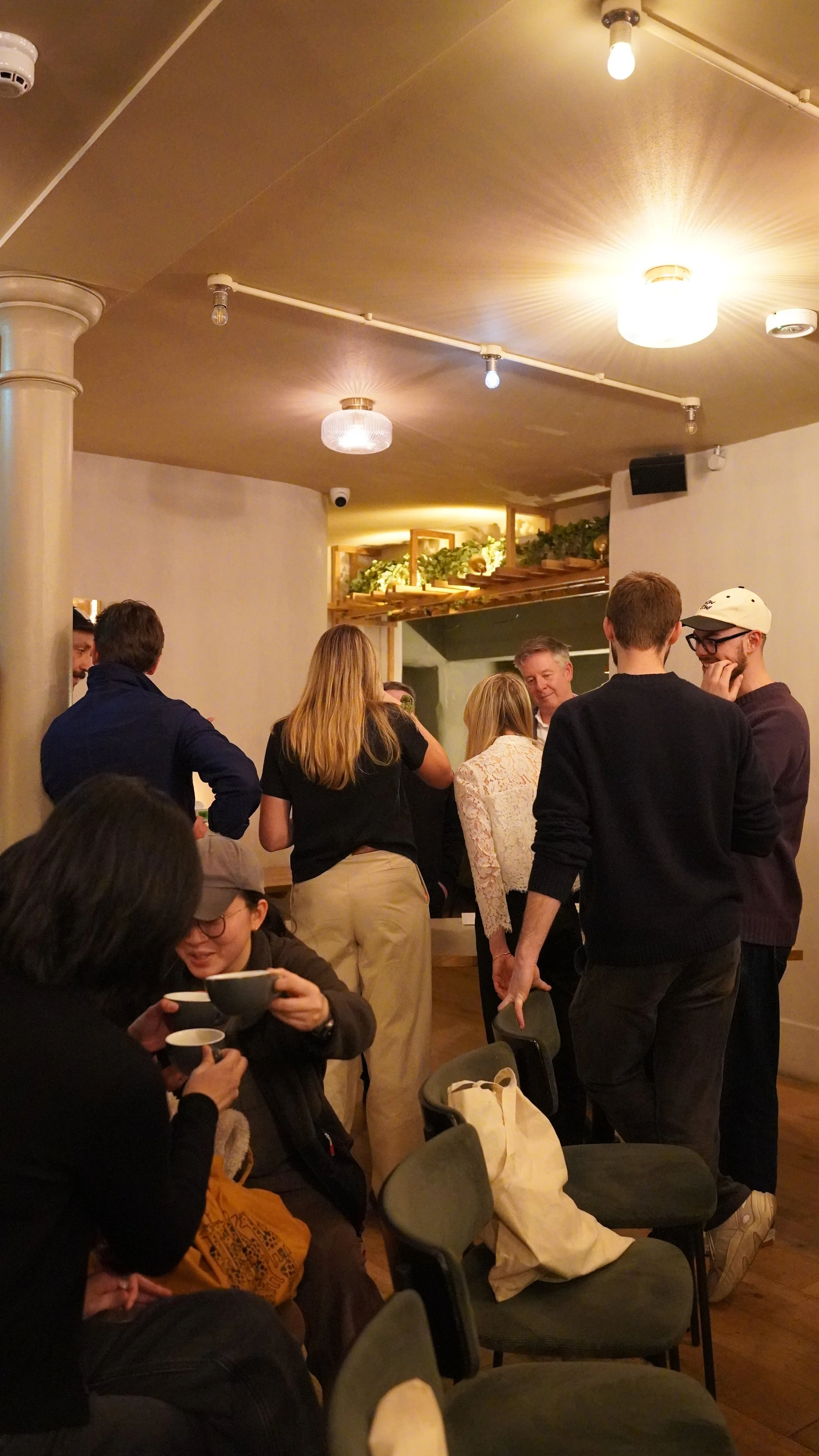
With generous support from AQUAPHOR UK Professional, Project Waterfall will host our next ‘Water in Coffee’ panel event on 19th March at Caravan, Covent Garden, 6-9pm.  

Jessica Worden, Head of Coffee at GAIL’s Bakery will be moderating this discussion. Jessica is also a Project Waterfall Board Member.  
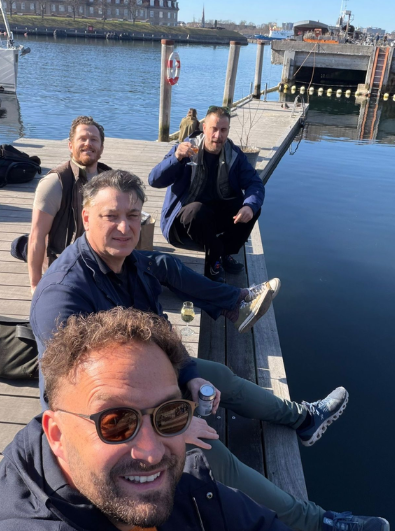
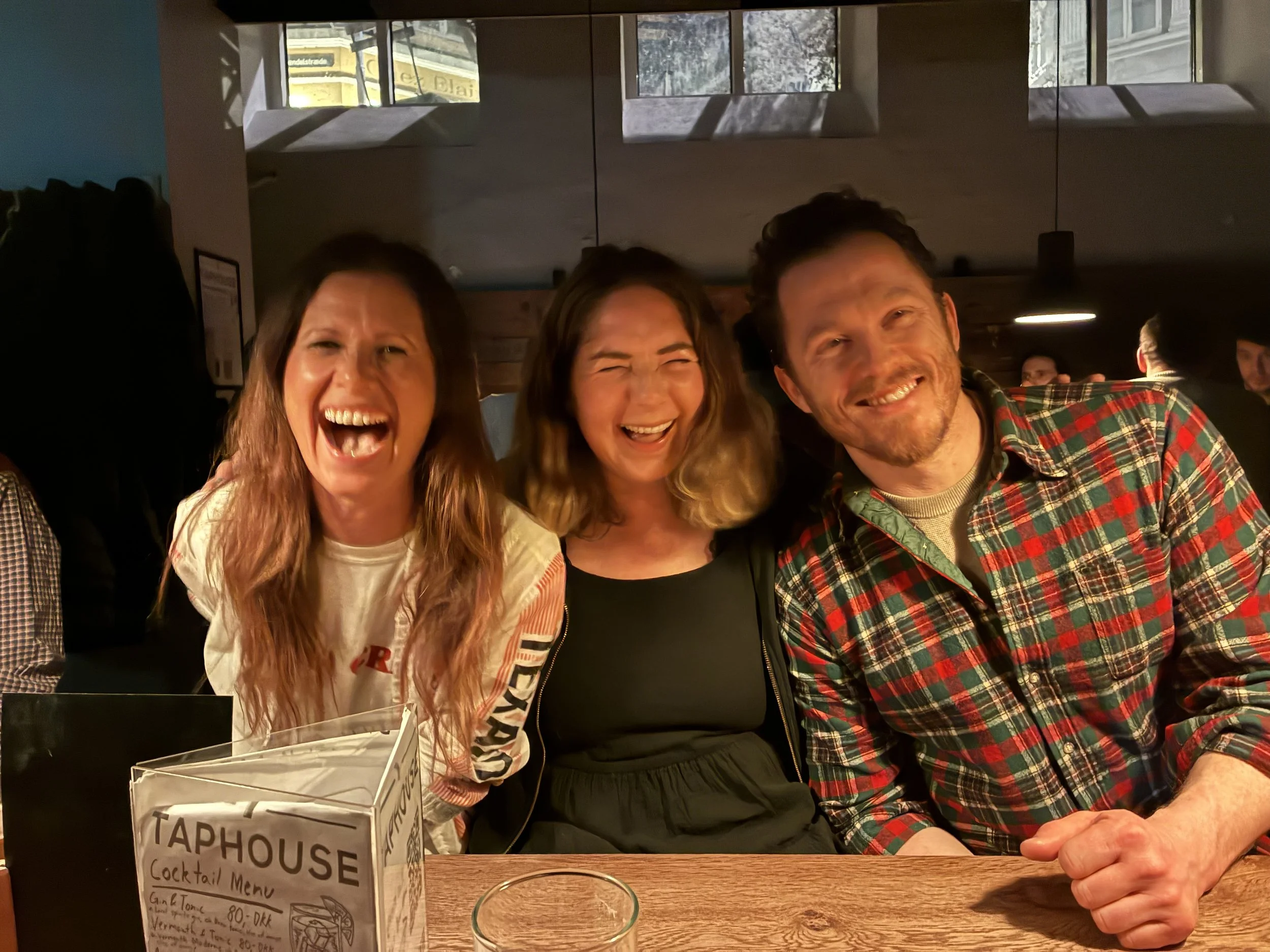
Panellists include:

Tom Greensmith, Founding Partner and General Manager of CRU Cafe. CRU supplies 100% organic and fair-trade certified coffee, while prioritising their farmers at origin. 

Neil Maguire is the Impact and Growth Executive for Slow Forest, a sustainable coffee solution company. Maguire has contributed to regenerative coffee-growing projects with support biodiverse agroforestry. 

Greg Amann serves as Head of On Trade of EMEA at Minor Figures. Minor Figures offers innovative B Corp Certified milk alternatives.

Freda Yuan is the Director of Coffee at Origin Coffee Roasters. Yuan supports Origin in improving coffee standards around the UK through  maintaining strong relationships with suppliers.

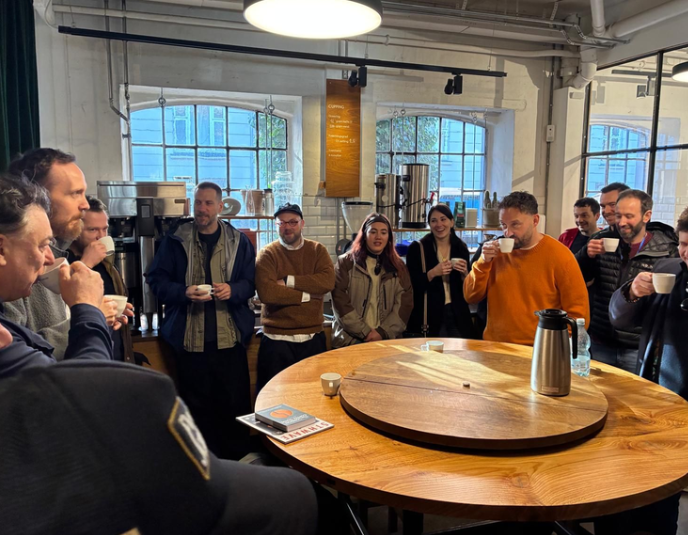
Join us for a cupping prior to the panel, provided by Caravan and AQUAPHOR UK Professional. Participants will taste coffees brewed using various water-mineralisation techniques, courtesy of AQUAPHOR’S high-performance reverse osmosis and ultrafiltration systems.

In place of ticket fees, we are inviting donations. A contribution of £30 can provide one person with clean water for life, supporting lasting change in coffee-growing communities.Tickets can be purchased here

A Brighter Future for Berbere: Clean Water for Coffee Communities in Ethiopia

While Project Waterfall’s involvement in this project has now come to an end, we’re proud to share an update from our delivery partner WaterAid on the lasting impact your support has made.

Berbere is a coffee-growing district in Ethiopia’s Oromia region, nestled at the foot of the Bale Mountains, around 500km from Addis Ababa. Like many rural communities in Ethiopia, Berbere is feeling the effects of the climate crisis firsthand. Unpredictable rainfall, deforestation, and increasingly severe floods and droughts are making life harder for the people who live and farm here, many of whom already face huge challenges when it comes to accessing clean water and sanitation.

In fact, Berbere has been identified by the Ethiopian government as one of the top priority areas for water, sanitation and hygiene (WASH) support, and thanks to you, we’ve been able to help.

Over the past three years, working alongside our partner WaterAid, local government, and the community itself, this project has delivered real, lasting change, bringing climate-resilient WASH solutions to thousands of people across the region.

Here’s what’s been achieved so far…

💧 Clean water, close to home

For the first time, 23,137 people now have access to clean water through 12 new community water points.

This includes:

  • 1,677 students across three schools

  • 12,073 patients and staff in two healthcare centres

  • A brand-new solar-powered pumping system providing a sustainable and reliable source of water


🧼 Promoting good hygiene

Access to water is just the start — changing behaviours and raising awareness is key to improving health and wellbeing.

  • 13,641 people have taken part in hygiene education sessions

  • 167 mothers have received targeted hygiene training to help protect maternal and infant health

  • 4 new sanitation businesses have been set up, and 16 people have been trained in toilet slab production, creating jobs and promoting better sanitation across the district


🛠️ Building long-term resilience

To make sure this progress lasts, we’ve supported the community to take ownership of water resources and plan for the future.

  • A watershed management plan has been developed for the whole district

  • A new data and information management system has been set up in Haro Dumal town to help with long-term WASH planning


⚖️ Supporting local leadership

Training and local governance are vital to keeping these systems running well into the future.

  • 38 people, including water user association members, utility staff and local officials, have been trained in managing water systems, overseeing finances, and taking care of infrastructure


📢 Sharing what we’ve learned

This project isn’t just about local impact, it’s about sharing knowledge and influencing broader change.

  • Three policy briefing notes have been developed to help inform future WASH projects

  • A policy dialogue forum was held to encourage collaboration and learning between key stakeholders


In her own words: Meet Asrat

Asrat Areda is a shop owner and mother of three living in Haro Dumal town. Thanks to this project, her family now has clean water just outside their home.

“Having clean water near our house means everything to me. When I was my children's age, we used to collect water from a river. But now, my children won't do that. They won’t be going to the river to collect water. This makes me really happy. This is what every parent wants to see — their children living a better life.

“Now we have a public tap right in front of our compound. We don't waste time going to the river anymore. We use the water to keep clean and take a bath. The water is clean, and we use it without hesitation. It’s been over a month since we started collecting water from the new tap.”


Thank you

This progress simply wouldn’t have been possible without your support. Together, we’ve helped lay the foundations for healthier, more resilient coffee-growing communities in Berbere, communities that can face the future with strength, dignity, and hope.

From all of us at Project Waterfall: thank you.

World Water Day 2025: Why Glacier Preservation Matters for Coffee Communities

Every year on March 22nd, World Water Day unites people around the world to highlight the importance of water and the challenges facing communities without reliable access. This year’s theme, Glacier Preservation, draws attention to one of the most pressing global issues, rapid glacial loss and its impact on freshwater supplies.

At first glance, glaciers may seem far removed from the coffee industry. But for millions of people living in coffee-growing regions, shrinking glaciers and shifting water patterns present a serious threat to their livelihoods, their crops, and their daily survival.

Why Glacier Preservation Matters for Coffee Communities

Glaciers act as natural water reservoirs, slowly releasing fresh water that supports ecosystems, agriculture, and drinking water supplies. According to the United Nations, glaciers provide nearly 70% of the world’s freshwater. However, rising global temperatures are causing glaciers to melt at an alarming rate, disrupting these water sources and creating unpredictable shortages.

For coffee farmers, these changes can be devastating. Many coffee-growing regions already struggle with seasonal droughts and inconsistent rainfall. A study by the International Coffee Organization (ICO) found that climate change-driven water shortages are a growing concern for coffee producers worldwide. As glaciers shrink, water sources dry up, and farming becomes even more difficult. In some areas, unreliable access to water forces farmers to abandon coffee production altogether, threatening the long-term sustainability of the industry.

Beyond agriculture, the lack of clean water affects every aspect of daily life. Families in these communities often spend hours each day collecting water, leaving less time for work, education, or other essential activities. Poor sanitation and hygiene conditions lead to higher rates of disease, especially among children. Without intervention, these challenges will only become more severe as water scarcity worsens.

At Project Waterfall, we’re committed to tackling these issues by delivering clean water, sanitation, and hygiene education to coffee-growing communities. This year, we’re continuing our work to build sustainable water systems, ensuring that coffee farmers and their families have access to this most basic human right.

Accelerating Access: Project Waterfall’s Work in Rwanda

One of our flagship initiatives, the Accelerating Access project in Rwanda, is designed to break down the barriers to clean water in coffee-farming regions. In partnership with WaterAid, we’re working in Mwogo and Juru, two areas where water shortages and poor sanitation have long been obstacles to development.

Through this project, we are ensuring that thousands of people, including coffee farmers, their families, and surrounding communities, have access to clean, reliable water for drinking, farming, and daily needs.

Key Achievements Over the Past Year

Delivering Clean Water

  • We completed a major water supply scheme, bringing clean water to 35,000 people through 23 new public taps directly connected to a sustainable water system.

  • These new taps drastically reduce the time spent collecting water, freeing up hours each day for work, education, and community life.

🚰 Improving Hygiene and Sanitation

  • Clean water alone isn’t enough, we’re also working to improve hygiene practices and sanitation infrastructure:

    • 700 households received training on how to upgrade and maintain safe, hygienic toilets.

    • 187,188 community members were engaged through hygiene education campaigns led by local health workers and village leaders.

    • 824 parents took part in education programs on pregnancy, breastfeeding, and child health, ensuring the next generation grows up healthier.

🔄 Building Long-Term Sustainability

  • To create lasting impact, we’re working closely with local partners, including WASAC (Rwanda’s Water and Sanitation Corporation) and community organizations.

  • We’ve been reviewing and rehabilitating disused water facilities, ensuring that previously abandoned infrastructure is repaired and put to good use.

This work is about more than just providing clean water, it’s about empowering communities, improving public health, and creating a sustainable future for coffee-growing families.

Water & Coffee: Join the Conversation

The connection between water, climate change, and coffee is complex, but conversations spark action. That’s why this May, we’re hosting a special water panel talk, bringing together industry leaders, sustainability experts, and advocates to explore the impact of water on coffee and discuss solutions for a more sustainable future.

📢 Stay tuned for more details!

Why Your Support Matters

As we celebrate World Water Day, we’re reminded that water connects us all, from melting glaciers to the coffee in your cup. The choices we make today will determine the future of our planet, our water systems, and the millions of people who depend on them.

At Project Waterfall, we believe that access to clean water isn’t just a privilege, it’s a human right. By working together, we can make this right a reality for coffee-growing communities across the world.

Whether you’re a coffee business, an individual supporter, or an industry leader, your involvement makes a difference. Help us spread the word, support our initiatives, and be part of the change.


Accelerate Action for Gender Equality

Accelerate Action for Gender Equality

International Women’s Day 2025 is a call to Accelerate Action towards gender equality. At the current rate of progress, it will take until 2158, which is roughly five generations from now, to reach full gender parity, according to data from the World Economic Forum. By taking decisive action today, we can break systemic barriers and create opportunities for women and girls worldwide.

Programme Update: How Clean Water and Sanitation Are Transforming Education in Ethiopia

Project Waterfall is tackling the global water crisis by bringing clean water, sanitation, and hygiene (WASH) initiatives to coffee-growing communities. Ethiopia, one of the world’s largest coffee producers, relies on coffee as its top export, accounting for over 25% of the country’s total exports. Over the past 18 months, we have partnered with Splash to implement sustainable WASH solutions at schools in Addis Ababa, the nation’s capital. The Barzilai Foundation funded two schools, Tsehay Chora and Atse Tewoderos. In November, Tom Cawthorn, the Program Advisor from the Barzilai Foundation, visited the schools to see the completed transformations first-hand.

Both schools have long struggled with inadequate WASH facilities. At Atse Tewoderos, water was only available twice a week, and existing water stations were inconveniently located near toilets. Tsehay Chora, serves students from nearby informal settlement who face severe water shortages and inadequate sanitation facilities. The lack of resources not only impacted health but also attendance at school, particularly for girls during menstruation.

The Barzilai Foundation partnered with Project Waterfall to address these challenges. As Brandon Sosa, CEO of the Barzilai Foundation, explains, “Knowing how much WASH facilities can drive student health and academic results, we are thrilled to partner with Project Waterfall to empower future generations to break out of poverty.” This combined effort aims to eliminate barriers to education and improve student outcomes.

The program has focused on delivering safe, reliable water through advanced purification systems and better storage solutions. Child-friendly drinking stations were installed in accessible locations to encourage regular use. To improve sanitation, new toilet blocks were built using cost-effective designs that local governments are now adopting as a model. Handwashing stations were also introduced, paired with engaging hygiene education to help students adopt and sustain healthy practices.

 By the end of 2024, WASH infrastructure improvements were completed, directly benefiting 1,200 daytime students, 1,000 adult evening students, and 170 staff members. Hygiene training was extended to school leadership, janitors, and food handlers to ensure long-term sustainability. The menstrual health program significantly reduced teasing around menstruation, while mothers reported feeling more comfortable discussing puberty with their children.

Improved attendance is already making an impact. In Ethiopia, secondary school graduation more than doubles a student’s expected lifetime earnings. Girls, in particular, see a 20% increase in earnings for each additional year of schooling. Addressing WASH challenges is helping students stay in school and break cycles of poverty, paving the way for brighter futures.

Despite successes, the program faced challenges. Delays in building sanitation facilities required close coordination with local government partners to keep things on track. Ethiopia’s internal conflict also posed risks, but proactive planning and collaboration with local staff ensured the safety of team members and continuity of activities.

Through the support of the Barzilai Foundation and the collaboration of local partners and Splash, Project Waterfall has removed significant barriers to education for thousands of students. With clean water, proper sanitation, and essential hygiene education, these young learners are better equipped to focus on their studies, stay in school, and achieve their potential.

Year 2 Project Update: Transforming Water and Sanitation Access in Rwanda

Year 2 Project Update: Transforming Water and Sanitation Access in Rwanda

This year Project Waterfall’s flagship campaign UK Coffee Week is raising funds for WaterAid’s Accelerating Access project in rural Rwanda which it started funding in the second year of the three-year project. It aims to reach 46,845 people in the communities of Mwogo and Juru regions with Water, Sanitation and Hygiene (WASH) by 2025. This is with Rwanda's water utility (WASAC), implementing partner COFORWA, and the local community to ensure sustainability and longevity of the project.

Stories from Rwanda: Water and Health

Stories from Rwanda: Water and Health

Access to clean water and sanitation has many benefits, but perhaps the most obvious and the one that we emphasize most is the impact accessibility has on health. 1.6 million people every year die from water-related diseases, and by increasing access to clean water and providing education around hygiene, we are working to help positively change as many lives as we can. These are two stories from individuals in the health care sector in Rwanda that share the impact the accelerating access project in Rwanda has had on health. 

Introducing Project WISE: Ethiopia

Introducing Project WISE: Ethiopia

Through Project WISE (WASH in Schools for Everyone), our delivery partner Splash aims to transform WASH conditions at 100% of public schools in four cities in Ethiopia, serving one million children and providing an affordable, proven and replicable model for national coverage for all schools and all students. The first city in the program is Addis Ababa, the capital of Ethiopia – and we’re delighted to be working with them to transform WASH solutions in six schools across the capital.

The Ripple Effect: Clean Water and Sanitation as Catalysts for Women's Inclusion in Decision-Making

The Ripple Effect: Clean Water and Sanitation as Catalysts for Women's Inclusion in Decision-Making

The theme for 2024’s International Women’s Day is Inspire Inclusion, in particular the promotion of diversity in leadership and decision-making positions. In the pursuit of gender equality and women's empowerment, access to clean water and sanitation (WASH) emerges as a critical factor, impacting not only the health and well-being of women but also their ability to participate in decision-making processes.