On March 8, 2026, International Women’s Day calls on all of us to reflect on the power of Give to Gain, UN Water’s annual theme designation. This theme reminds us that when we invest in women and girls, entire communities prosper. Progress for women is not a zero-sum game; it is a multiplier.
At Project Waterfall, we see this every day through one of the most powerful drivers of gender equality: access to clean water, sanitation and hygiene (WASH).
Why Water Is Central to “Give to Gain”
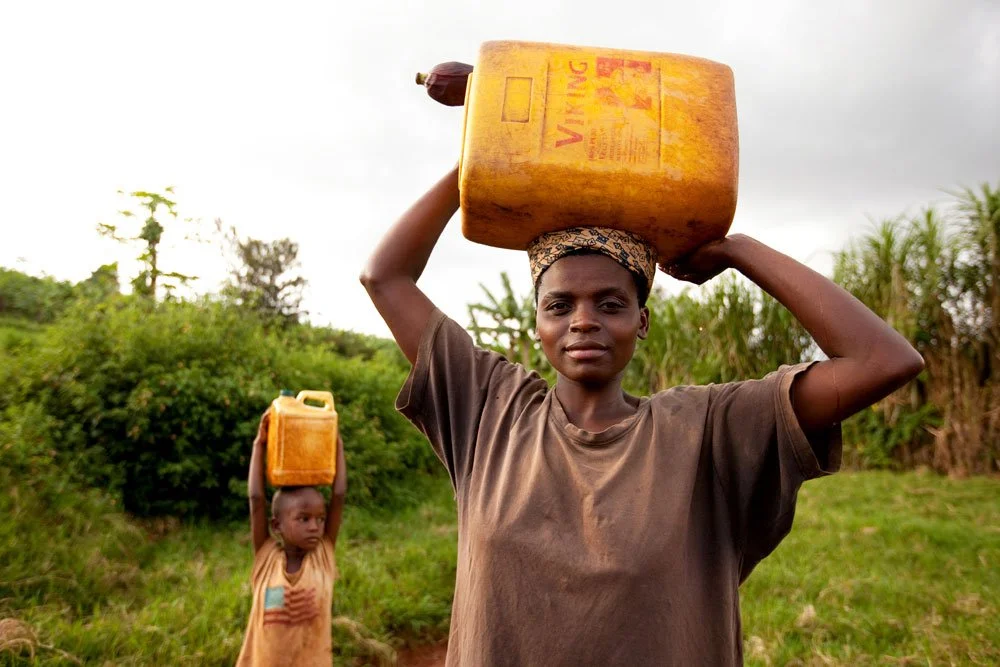
Across the world, women and girls disproportionately bear the responsibility of collecting water for their communities. In rural coffee-farming regions, this task can take hours each day, which limits their capacity for school, work and leadership.
Without safe sanitation facilities, many girls miss school during menstruation, widening the education gap and reducing long-term opportunity.
When women lack access to clean water, inequality deepens.
When women gain access to clean water, opportunity expands.
That is the essence of Give to Gain.
Investing in water infrastructure and hygiene education gives women back time, dignity and agency. Communities gain healthier families, stronger economies and more sustainable futures.

School girls utilising new water infrastructure. Courtesy of SPLASH.
Transforming Lives in Rwanda
In Rwanda, the Accelerating Access project delivered alongside WaterAid is bringing clean water directly into remote communities.
This project has:
Provided clean water to 35,000 people through 23 public taps
Reached 187,000+ people with hygiene and sanitation education
These public taps do more than deliver water. They reduce hours spent collecting it, improve health outcomes and open doors for women to pursue income-generating opportunities.
Through WASH committees and community training including women’s leadership participation, we help ensure solutions are sustainable and locally owned.
Supporting Girls’ Education in Ethiopia
With the help of SPLASH in Ethiopia, we continue to expand hygiene campaigns in schools and health centres, strengthen governance systems, and improve menstrual health education.
By integrating menstrual hygiene programmes into schools and improving access to safe water and private sanitation facilities, more girls can stay in education, reducing dropout rates and challenging stigma around menstruation.
When girls stay in school, communities gain future leaders.

Community leader located at an Ethiopian project school. Courtesy of SPLASH.
The Multiplier Effect of Clean Water
Clean water is not just about health. It is a foundation for economic empowerment.
When women no longer spend hours collecting water, they can:
Start businesses
Increase household income
Participate in leadership roles
Support sustainable coffee production
Communities gain stronger local economies. Children gain better health and education. Entire regions gain resilience.
When we give women access to water, everyone benefits.
Join Us This March 8
International Women’s Day 2026 reminds us that accelerating equality requires action.
By supporting Project Waterfall, you are investing in clean water solutions that directly empower women and girls in coffee-growing communities.
Together, we can turn access to clean water into lasting change.
Turn “Give to Gain” into lasting change.
This International Women’s Day, partner with Project Waterfall to help bring clean water, dignity and opportunity to women and girls in coffee-growing communities.
If your coffee business would like to support clean water projects, we’d love to hear from you. Get in touch with us at hello@projectwaterfall.org to start the conversation.